

Prof. Jang: US Plot to Destroy Iran Like Iraq Why It Fails (Game Theory)
Introduction: A Geopolitical Warning from Toronto
In a candid YouTube video recorded from his home in Toronto, Canada, Professor Jang still shaking off jet lag delivers a sobering analysis of the escalating tensions in the Middle East. Addressing his audience directly, he references his family, including son Chris and two young boys, to underscore the personal stakes in a “dark world” spiraling toward chaos. Jang, a self-described predictive historian, promises an illuminating breakdown of U.S. intentions toward Iran, framed through game theory lenses. Wary of YouTube’s censorship citing a banned video on German history he hints at migrating to Rumble and directs viewers to his “Predictive History” Discord for uncensored discourse. This isn’t mere speculation; it’s a structured forecast rooted in historical patterns, warning of a U.S.-led regime change playbook redux, and why Iran, unlike Iraq, is primed to defy it.
Jang’s talk arrives amid real-time flashpoints: Israeli strikes on Iranian proxies, Houthi disruptions in the Red Sea, and U.S. naval deployments signaling escalation. His core thesis? The U.S. isn’t pursuing democracy but societal destruction, a strategy doomed to fail against Iran’s unique defenses. Drawing parallels to Iraq 2003, Libya 2011, and Syria’s proxy wars, he dissects the “three pillars” of U.S. aggression bombs, propaganda, and money and predicts asymmetric Iranian retaliation will inflict unbearable pain on America and its allies.
Historical Precedents: The U.S. Regime Change Playbook
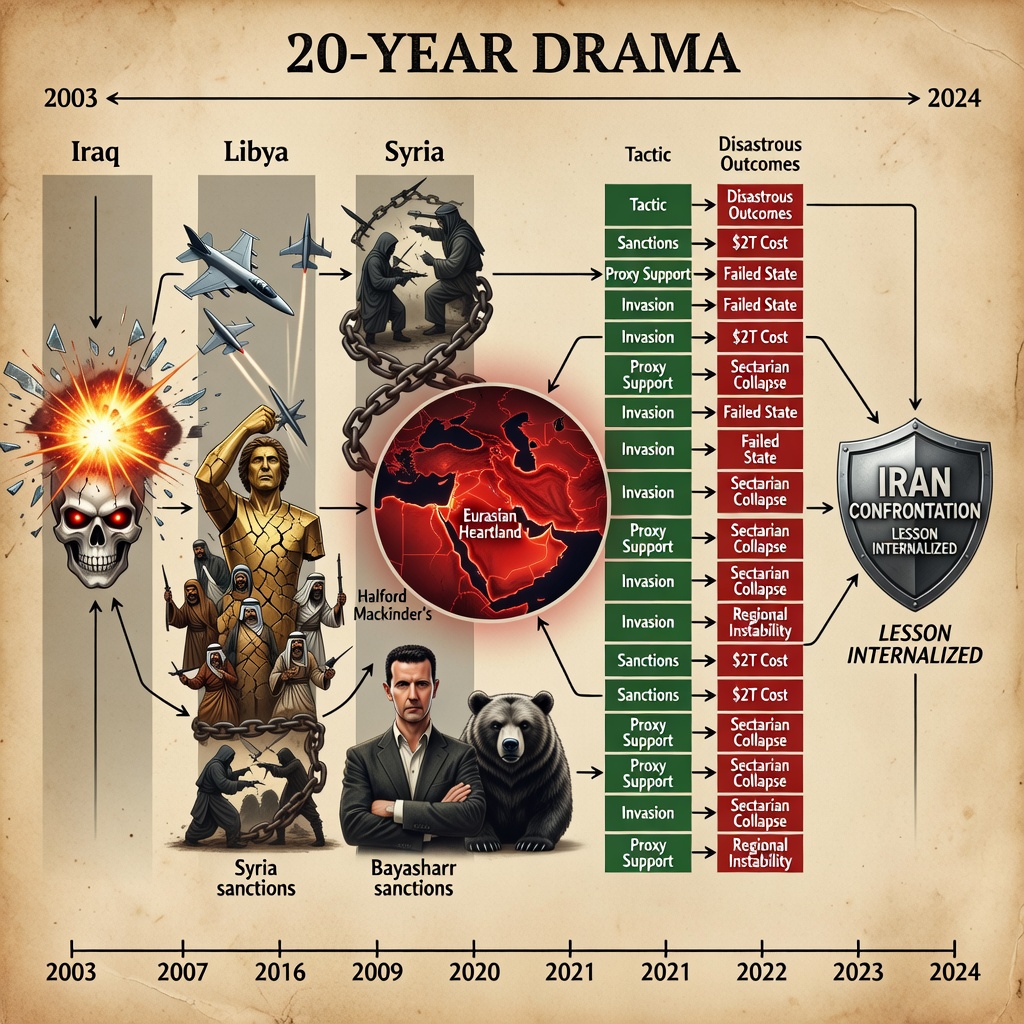
Professor Jang frames the impending U.S.-Iran confrontation as Act IV of a 20-year drama, with Iraq 2003 as the grim template. The U.S. invasion toppled Saddam Hussein not to implant democracy, Jang argues, but to shatter Iraqi society via “de-Baathification” a deliberate purge of the Baathist elite that gutted institutions, unleashed sectarian violence between Sunnis and Shiites, and birthed ISIS. Today, Iraq remains a fractured proxy battlefield, its oil wealth siphoned amid corruption and militia rule. This wasn’t incompetence, per Jang; it was engineered collapse to prevent any cohesive Arab nationalist revival.
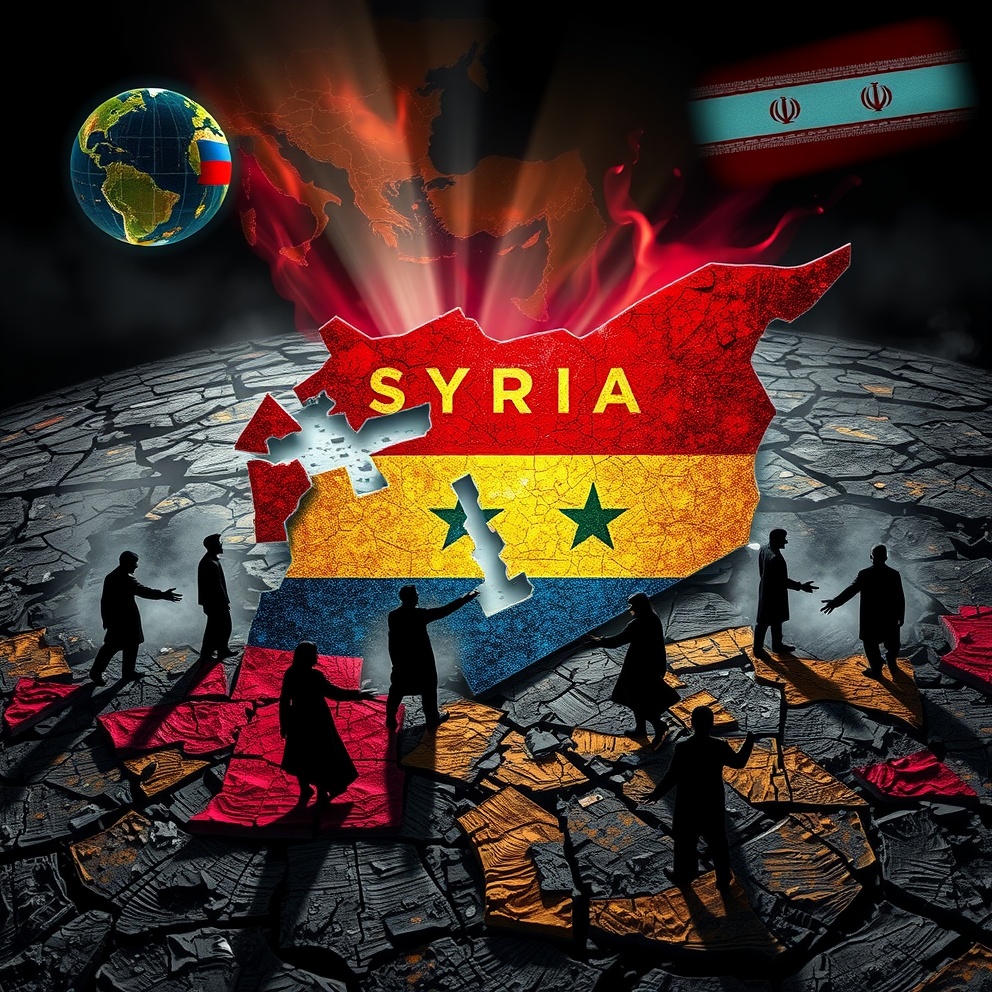
Comparisons extend to Libya (2011), where NATO airstrikes decapitated Gaddafi, fracturing the oil-rich state into tribal warlord fiefdoms, and Syria (2011 present), where U.S.-backed “moderate rebels” and sanctions fueled a decade of carnage, displacing millions. These echo Mackinder’s Heartland Thesis: control the Eurasian pivot (Middle East as gateway) to dominate the world. Yet, Jang notes, each “victory” eroded U.S. credibility Ukraine’s grinding stalemate amplifies this, exposing American overstretch post-2022 proxy losses.
| Historical Case | U.S. Tactic | Long-Term Outcome | ||
|---|---|---|---|---|
| Iraq 2003 | Invasion + De-Baathification | Societal implosion; endless insurgency; $2T+ cost | ||
| Libya 2011 | Air campaign + rebel funding | Failed state; migrant crisis to Europe | ||
| Syria 2011 | Sanctions + proxies | Assad endures; Russia gains foothold |
Iran, Jang posits, has internalized these lessons: its leaders invoke Persian unity against foreign meddlers, framing resistance as defense of a 5,000-year civilization.
The Three Pillars of U.S. Strategy: Bombs, Propaganda, Money
Jang simplifies U.S. doctrine into a brutal metaphor: bombs for military decapitation, propaganda to sell the narrative, and money to fund internal dissent. This triad has toppled regimes before, but Iran’s profile defies it.
Pillar 1: Bombs Decapitation and Infrastructure Sabotage
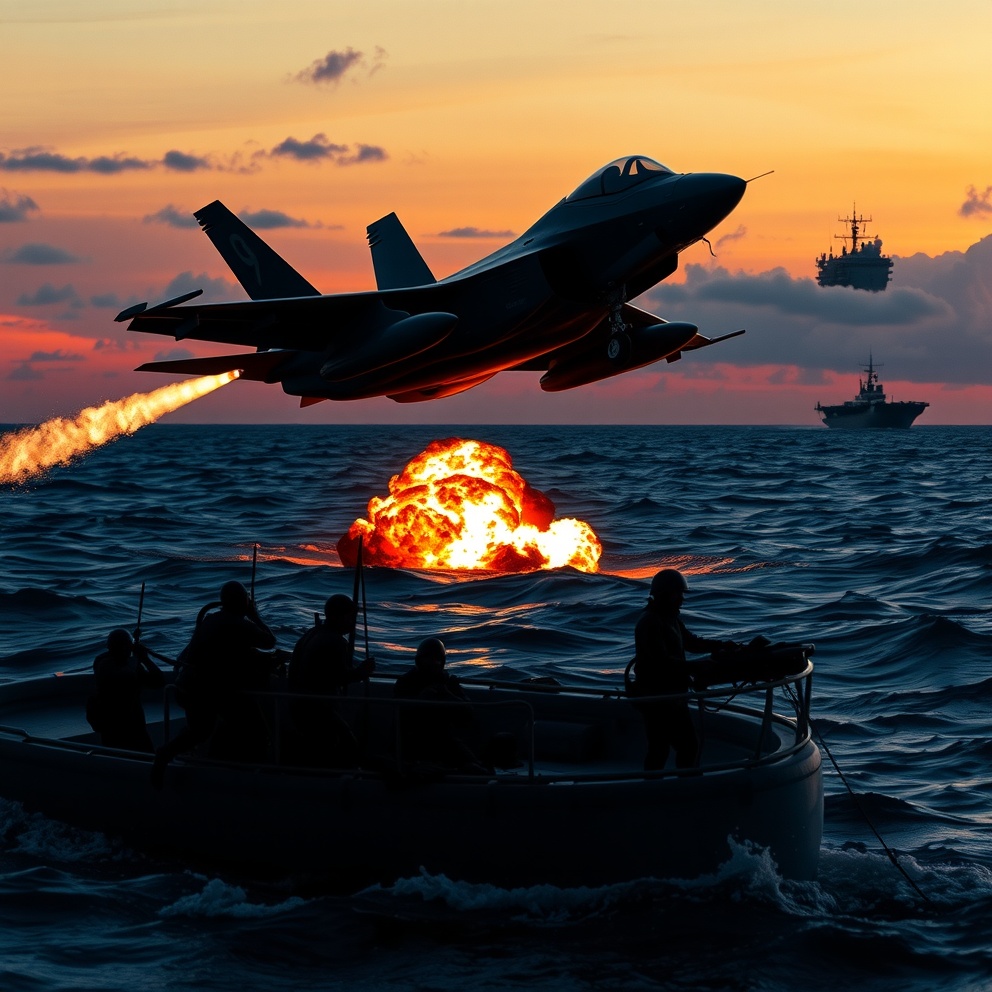
Precision strikes target leadership (e.g., Soleimani 2020) and dual-use infrastructure, aiming for economic strangulation via sanctions. Jang predicts months of airstrikes, not invasion, to bleed Iran dry.
Pillar 2: Propaganda Framing as “Democracy vs. Tyranny”
Western outlets like CNN, BBC, and NYT portray Iran as an apocalyptic threat, rallying domestic support. Yet Jang dismisses this: post-Iraq lies (WMDs) and Ukraine propaganda have torched credibility even in the West, polls show war fatigue.
Pillar 3: Money Fomenting Revolution and Sectarianism
Funding ethnic minorities (Kurds, Baloch) and opposition seeks “color revolutions.” Historical success in Ukraine 2014 contrasts with failures in Iran 2009 (Green Movement crushed).
Why It Fails in Iran (Jang’s Table, Expanded):
| Pillar | U.S. Expectation | Iranian Counter | ||
|---|---|---|---|---|
| Bombs | Cripple command/control | Mountainous terrain (3x Iraq’s size); dispersed militias evade strikes | ||
| Propaganda | Incite uprising | Persian identity overrides; Iraq’s fate unites public | ||
| Money | Buy dissenters | National pride > bribes; proxies like Hezbollah deter |
From a military perspective, U.S. tech dominates symmetrically, but Iran’s asymmetric playbook drones on Saudi oil, mines in Hormuz flips the script.
Iran’s Strategic Edges: Geography, Identity, and Proxies
Iran’s advantages are multifaceted. Geography rugged Zagros Mountains and vast size renders full occupation a Vietnam/Afghanistan quagmire. Identity Persian heritage fosters resilience, unlike Iraq’s fractured Arab mosaic. Proxies (Houthis, Hezbollah, Iraqi militias) enable “flexible pain”: targeting Saudi desalination (80% water supply), Aramco fields, or U.S. bases in Qatar/Kuwait.
The Strait of Hormuz, choking 20% of global oil, is the crown jewel: closure spikes prices to $150+/barrel, hammering U.S. consumers amid inflation. Oman, UAE, Qatar, and Saudi rely on it for revenue Houthi drones already proved vulnerability. Jang invokes game theory: U.S. “predictable pain” (sanctions) meets Iran’s “unpredictable retaliation,” tilting Nash equilibrium toward Tehran.
Viewer Q&A Insights: Nuclear use? Unlikely taboo post-Hiroshima; U.S. desperation would alienate allies. Supreme Leader assassination? Wildcard, sparking succession woes (unpopular son Mojtaba). Putin/China? Backchannel restraint.
Game Theory Breakdown: Predicting the Escalation Ladder
Jang’s analytical edge is game theory, modeling actors as rational players in iterated games. U.S. pursues hegemony (offensive strategy); Russia plays manipulator (luring sunk-cost traps); China isolationist (Great Wall 2.0, prioritizing CCP stability).
Cause-Effect Chains:
1. Air Campaign: Iran absorbs, retaliates → Oil shock → U.S. backlash.
2. Ground Trap (Putin specialty): Initial U.S. wins → Militia ambushes → Draft protests → Civil unrest (echoing 1968 Vietnam).
3. Decapitation: Chaos favors U.S., but galvanizes hardliners.
Escalation Scenarios (Jang’s Probabilities):
| Scenario | Probability | Outcome | ||
|---|---|---|---|---|
| Air-Only War | High | Iran endures; proxies bleed allies; U.S. stalemates | ||
| Leader Assassination | Medium (Wildcard) | Iranian infighting; U.S. edge short-term | ||
| Ground Invasion | Low (Trap) | U.S. quagmire → Domestic revolution → Retreat | ||
| Nuclear Escalation | Very Low | Global taboo; Putin vetoes | ||
| Overall Winner | Iran | Geopolitical resilience trumps U.S. firepower |
Russia withdraws advisers quietly, potentially goading U.S. boots; China supplies arms, absorbs oil hikes for regime survival.
Great Power Perspectives: Russia, China, and U.S. Decline
U.S. View: Restore post-Ukraine credibility via quick win. Risk: Ally vulnerabilities expose overextension.
Russian Lens (Heartland Master): Lure U.S. into Eurasian bog, accelerating multipolarity. Parallels Afghanistan 1980s (U.S. mujahideen blew Soviet empire).
Chinese Angle: Minimalist Taiwan first. Echoes Ming isolationism; oil stockpiles cushion shocks.
Comparatively, this mirrors WWI’s alliance traps: U.S. as entangled hegemon, Iran as resilient underdog like Tito’s Yugoslavia.
Future Impacts: Quagmire, Oil Shocks, and Global Realignment
Short-term: Hormuz blockade triggers 2024 recession U.S. midterms revolt, Biden/Trump war hawks blamed. Allies fracture: Saudis pivot to China (BRICS joiners).
Medium-term: U.S. ground folly sparks “forever war” redux, fueling isolationism/MAGA drafts → internal polarization → weakened hegemony. Iran emerges scarred but intact, proxies emboldened.
Long-term speculation: Victory for multipolarity. Russia’s Heartland grip tightens; China’s Belt-Road secures energy. U.S. “defeat” isn’t territorial but civilizational echoing Britain’s Suez 1956 humiliation, hastening decolonization. Game theory predicts 60-70% chance of U.S. retreat by 2026, birthing a post-dollar oil trade (yuan/rupee).
Worst-case: Escalation spirals to Taiwan/India-Pakistan, but Jang bets on nuclear restraint beliefs dictate resolve, and Iran’s ideological steel outmatches U.S. apathy.
Conclusion: Lessons from Predictive History
Professor Jang’s analysis isn’t alarmism but foresight: U.S. destruction plots fail against unified civilizations wielding asymmetry. Join his Discord for deeper game theory; watch the Supreme Leader, Putin, and oil ticks. History rhymes Iraq was the rehearsal; Iran, the finale where the script flips. In a darkening world, understanding these moves empowers prediction amid chaos.





Leave a Reply