
Trump’s Tariff Takedown: Lessons for Global Trade and Markets in Chaos
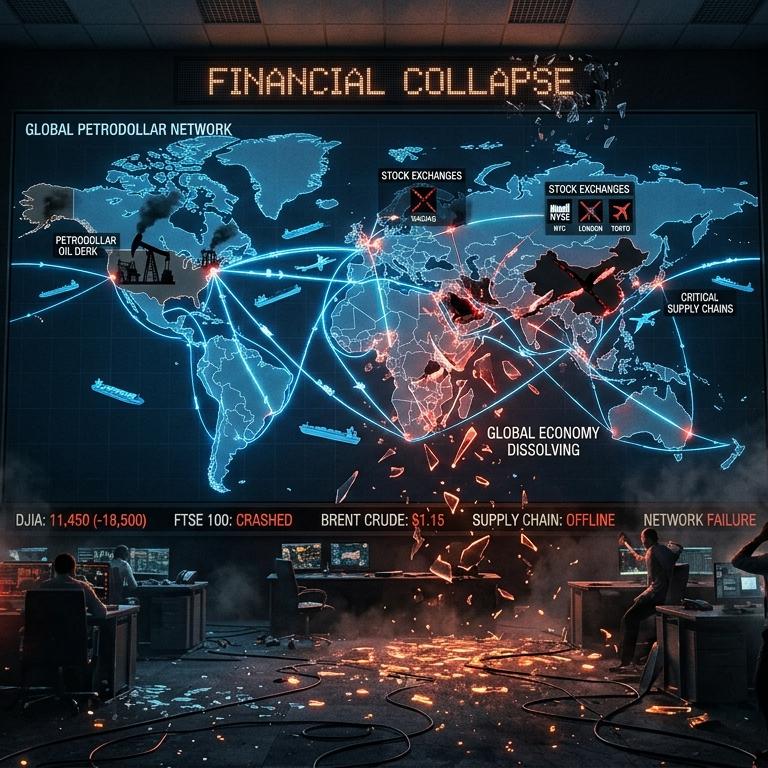
As the world watches with bated breath, President Donald Trump has unleashed a 10-hour trade war against Colombia, leaving markets reeling and global leaders scrambling to understand the implications of this unprecedented move. The lessons from this episode are clear: the Trump administration is willing to use any means necessary to achieve its economic goals, regardless of the consequences for the global economy.
A New Era in Trade Policy
One of the most significant takeaways from this episode is that President Trump intends to use a strategy of threatening tariffs first and then asking policy questions later. In other words, he will not hesitate to impose tariffs on countries that are deemed to be unfair trade partners, without regard for the potential consequences or the need for congressional input. This approach has left markets wondering what’s next, as the administration has made it clear that it is willing to use its authority under the International Emergency Economic Powers Act (IEEPA) to quickly impose tariffs on any country it deems necessary.
A Capitol Hill That’s Lacking in Oversight
Another significant takeaway from this episode is that President Trump has free tariff reign, with Capitol Hill’s “Republican conference” not standing in his way of imposing tariffs via executive order without input from Congress. This lack of oversight has left many wondering if the Republican party is truly committed to defending American businesses and workers, or if they are simply ceding power to the administration.
A Self-Imposed Deadline Looms
As this article goes to press, a self-imposed deadline looms where President Trump has promised tariff action against America’s top three trading partners. He has pledged 25% duties against goods from Canada and Mexico and 10% tariffs against China, citing the drug trade and illegal immigration as his reasons for doing so. While the administration claims that these tariffs are necessary to address these pressing issues, many economists believe that they will only serve to exacerbate the problems.
Market Uncertainty Ahead
The takeaway for markets is perhaps more uncertainty lies ahead until tariff policy is clarified. As investors try to make sense of this rapidly changing landscape, many are left wondering what’s next and how they can protect their investments. The lack of clarity from the administration on its trade policies has created a sense of unease among market participants, with some speculating that a global recession may be just around the corner.
Lessons for Canada, Mexico, and China
The lessons for Canada, Mexico, and China are clear: they must prepare themselves for a prolonged period of tariffs and trade uncertainty. Each of these countries has significant stakes in the outcome of this tariff war, with billions of dollars at risk if Trump’s threats become reality.
For Canada, which imports significant amounts of oil from the United States, the impact of 25% tariffs on oil imports would be devastating. Mexico, meanwhile, stands to lose millions of dollars in revenue due to reduced exports to the United States. China, on the other hand, has been bracing itself for a trade war with the United States for months now, but even it may not be prepared for the level of aggression that Trump is displaying.
A Global Economic Crisis?
While the administration claims that these tariffs are necessary to address pressing economic issues, many economists believe that they will only serve to exacerbate the problems. By imposing tariffs on its top trading partners, Trump risks triggering a global trade war that could have devastating consequences for economies around the world.
The impact of this tariff war would be felt far beyond the borders of Canada, Mexico, and China. A prolonged period of trade uncertainty and conflict could lead to higher prices, reduced economic growth, and even a global recession.
Conclusion
As we navigate these uncertain times, one thing is clear: President Trump has changed the rules of trade policy forever. Gone are the days when countries could rely on predictable and stable trade relationships; instead, they must now prepare themselves for a world where tariffs can be imposed at a moment’s notice.
While some may see this as a positive development, with increased flexibility for American businesses to negotiate better deals abroad, others will view it as a recipe for disaster, threatening the fragile balance of global trade and economic stability. As we move forward in this new era of tariff-based geopolitics, one thing is certain: only time will tell what the long-term consequences will be.
The impact of Trump’s 10-hour trade war against Colombia has sent shockwaves around the world, leaving markets reeling and global leaders scrambling to understand the implications. The lessons from this episode are clear: President Trump intends to use any means necessary to achieve his economic goals, regardless of the consequences for the global economy.
What’s Next?
As we wait with bated breath to see what happens next in this tariff war, one thing is certain: markets will continue to be volatile and uncertain until a clear policy direction emerges from the administration. While some may see this as a temporary blip on the radar screen, others believe that it marks the beginning of a new era in global trade relations.
The world waits with bated breath to see what President Trump has planned next, but one thing is certain: the rules of trade policy have changed forever.
About the Author




It seems like Trump’s tariff tantrum is going to be a long-term trend. I mean, who needs stability in global markets when you can just throw some tariffs around and see what sticks? It’s like a game of economic chicken, and we’re all just pawns in his game of trade poker.
And let’s be real, folks. This isn’t about protecting American businesses or workers; it’s about Trump getting attention and making headlines. I mean, who else could turn a 10-hour trade war into a national story?
But seriously, this is going to have serious consequences for Canada, Mexico, and China. And let’s not forget about the rest of us who are just trying to live our lives without getting caught up in Trump’s trade drama.
So, what’s next? Will Trump continue to throw tantrums and impose tariffs on anyone who gets in his way? Or will he finally come to his senses and realize that global trade is a delicate ecosystem that can’t be manipulated by one man?
One thing’s for sure: it’s going to be a wild ride. And if you’re thinking of making any investment decisions anytime soon, I’d say hold off until the dust settles on this tariff war. Trust me, you don’t want to get caught up in Trump’s trade chaos.
Oh, and one more thing: how’s GM doing with their robotaxi plans now that they’ve ditched them? Saving up to $1 billion annually is a small price to pay for avoiding the uncertainty of autonomous vehicles, am I right?
I’m not sure why everyone’s so quick to dismiss Trump’s trade strategy as just a tantrum. As someone who’s been following the trade war closely, I think there are some valid points being made by Trump and his team.
Gemma’s comment is spot on in pointing out that this is all about attention-seeking behavior from Trump, but let’s not forget that he’s also trying to address real concerns about trade imbalances and intellectual property theft. China has been playing the global trade system for decades, and it’s high time someone called them out.
I’m a bit of an outsider when it comes to this topic – I’ve got a degree in economics from a mid-tier university and have worked as a trader on the floor of the NYSE for a few years. But what really gets my blood boiling is the hypocrisy around this whole thing. Everyone’s so quick to condemn Trump’s tariffs, but where were all these experts when we needed them 20 years ago? When China was first starting to flood our markets with cheap goods and steal our intellectual property?
I mean, let’s be real – America has been losing its economic edge for decades. We’ve been outsourcing jobs left and right, and nobody wants to talk about it because it’s not a popular topic. But Trump’s tariffs are at least trying to address some of these issues, even if they’re not going about it the right way.
And as for GM ditching their robotaxi plans – yeah, I think that’s a big deal. The uncertainty around autonomous vehicles is real, and companies like GM need to be able to adapt quickly to changing market conditions. But let’s also not forget that this is all part of the bigger picture – we’re living in an era where technological disruption is going to change the way we live and work. And if we can’t even get our trade policies right, how are we supposed to compete with countries like China who are already ahead of us on these issues?
Anyway, just my two cents. Thanks for keeping the conversation real, Gemma!
I’m utterly fascinated by Gemma’s commentary on Trump’s tariff tantrum. While I agree with her sentiment that Trump’s actions are more about seeking attention than genuinely protecting American businesses or workers, I have some reservations about the severity of her critique.
Firstly, let’s acknowledge that Trump’s unpredictability has indeed created a sense of uncertainty in global markets. It’s akin to navigating a dense fog – you never quite know when or where the next storm will strike. As someone who’s always been drawn to the complexities of human behavior, I find this aspect of Trump’s presidency both intriguing and worrisome.
However, I must respectfully disagree with Gemma’s assertion that Trump’s tariffs are solely about gaining attention. While it’s true that he thrives on controversy, I believe his actions have a deeper purpose – one rooted in his nationalist ideology. He genuinely believes that America has been taken advantage of by other nations, and his tariffs are an attempt to level the playing field.
Now, regarding Gemma’s comment about GM’s robotaxi plans, I must chuckle at her dig. As someone who’s always had a soft spot for innovative technologies, I think autonomous vehicles hold immense promise – not just for reducing costs but also for revolutionizing transportation as we know it.
In fact, I’ve often wondered what the world would be like if Trump hadn’t imposed tariffs on foreign-made cars and trucks. Would GM have still scrapped its robotaxi plans? Or would they have continued to invest in this promising technology? These are the sorts of questions that keep me up at night, pondering the unpredictable nature of human behavior.
In conclusion, while I share Gemma’s frustration with Trump’s tariff tantrum, I believe there’s more to his actions than mere attention-seeking. As someone who’s always been drawn to the complexities of human psychology, I find this aspect of politics both captivating and disconcerting.
The recent announcement of CaaStle’s financial distress and furloughing of employees serves as a stark reminder of the far-reaching consequences of unstable global trade policies. As we witness the chaos unfolding in the markets, it’s imperative to analyze the implications of Trump’s tariff threats and their potential to trigger a global economic crisis. The article highlights the lessons learned from Trump’s 10-hour trade war against Colombia, where he demonstrated his willingness to use tariffs as a means to achieve his economic goals, regardless of the consequences for the global economy.
As someone with experience in the tech industry, I can attest that the unpredictability of trade policies has made it increasingly challenging for startups like CaaStle to navigate the market. The lack of oversight from Capitol Hill has essentially given President Trump a free hand to impose tariffs via executive order, leaving many wondering if the Republican party is truly committed to defending American businesses and workers. The self-imposed deadline looming for tariff action against America’s top three trading partners has created a sense of unease among market participants, with many speculating that a global recession may be just around the corner.
It’s intriguing to consider how Trump’s tariff threats will impact the global economy, particularly in light of the current financial struggles faced by companies like CaaStle. The lessons for Canada, Mexico, and China are clear: they must prepare themselves for a prolonged period of tariffs and trade uncertainty. But what about the potential consequences for other countries, and how will they respond to these aggressive trade policies? Will we witness a shift towards more protectionist policies, or will countries find ways to adapt and thrive in this new era of tariff-based geopolitics?
The article raises important questions about the potential consequences of a global trade war, including higher prices, reduced economic growth, and even a global recession. As we move forward in this uncertain landscape, it’s essential to consider the long-term implications of these policies and how they will shape the future of global trade. What’s next for CaaStle and other companies struggling to stay afloat in this tumultuous market? Will they be able to adapt and find new ways to succeed, or will they succumb to the pressures of an increasingly unstable global economy? Only time will tell, but one thing is certain – the rules of trade policy have changed forever, and it’s up to us to navigate this new landscape and find ways to thrive in the face of uncertainty.