
“The AI Startup Arms Race: How Code Generation & Venture Capital Are Shaping the Indo-Pacific’s Military Future”
The rapid advancement of Artificial Intelligence (AI) in coding and its application in defense technologies has sparked a new era of innovation in the Indo-Pacific region. With the rise of AI-driven startups and the influx of venture capital in defense tech, the traditional dynamics of military power are being redefined. This article delves into the intersection of AI, venture capital, and geopolitics, exploring how these factors are contributing to an unseen arms race in the region.
The Role of AI in Coding and Defense Tech
The adoption of AI in coding has been remarkable, with YC’s 25% startups using AI to generate 95% of their code. This phenomenon is not limited to the civilian sector; defense technologies are also being revolutionized by AI. The use of AI in code generation can significantly reduce development time, enabling defense tech startups to prototype advanced systems, such as drones and command systems, in a fraction of the time it would take traditional defense contractors.
But what does this mean for the future of defense technologies? As AI-driven startups continue to push the boundaries of innovation, they may become the new frontier in defense innovation, with significant geopolitical implications. The question arises: Can the confluence of AI in code, venture capital in defense tech, and geopolitical strategies create a new dynamic in Indo-Pacific security?
Venture Capital and Defense Tech
The investment of $300 million by Construct Capital in defense and manufacturing tech signals a strategic pivot toward tech-enabled defense innovation. This fund, aimed at supporting startups that leverage AI for military applications, indicates that venture capital is playing a crucial role in shaping the future of defense technologies. The partnership between the US and Taiwan on drones, as mentioned in The Diplomat article, could be bolstered by AI innovations from startups using these VC funds.
However, this raises important questions about the role of venture capital in defense tech. Is the investment in AI-driven defense startups a strategic move to counter China’s assertiveness in the region, or is it a purely profit-driven endeavor? How will the influx of venture capital in defense tech impact the traditional dynamics of military power in the Indo-Pacific?
Geopolitical Implications
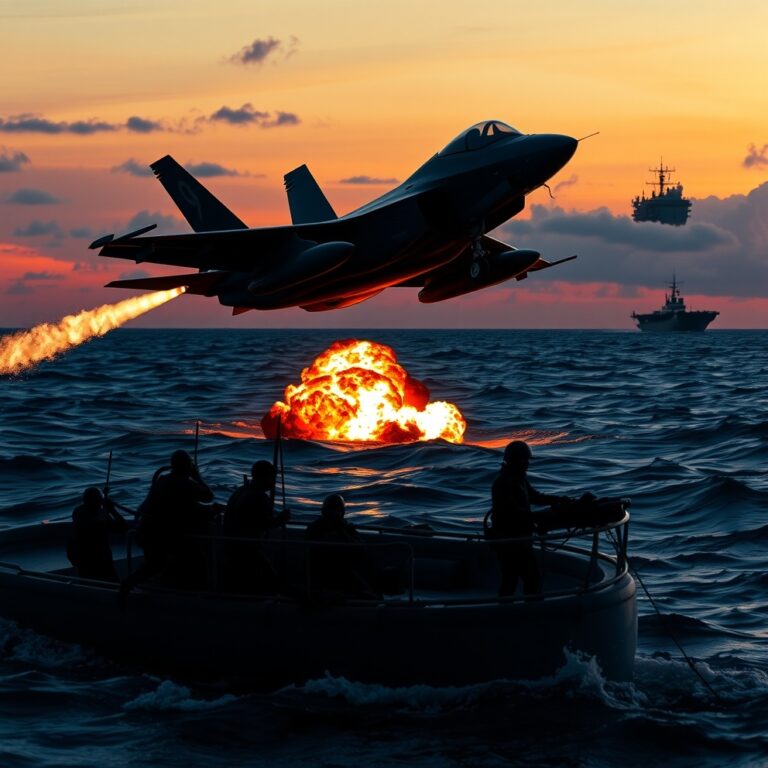
The application of AI in defense technologies has significant geopolitical implications. The development of AI-driven drones and other systems could provide Taiwan with a critical deterrent against China. However, this also raises concerns about the potential for an AI arms race in the region. As China counters with its own AI developments, the balance of power in the Indo-Pacific may shift.
But what are the potential risks and consequences of this AI arms race? As Cal AI’s calorie app demonstrates, even simple AI tools can have significant impacts when developed and deployed rapidly. The potential for AI-driven defense systems to be vulnerable to hacking or other forms of cyber warfare is a pressing concern. Moreover, the ethical implications of using AI in military applications must be carefully considered.
Potential Outcomes
The outcome of this AI-driven arms race is far from certain. If successful, Taiwan’s drone tech and other AI applications could deter China, maintaining regional stability. Conversely, if over-reliance on untested tech leads to vulnerabilities, or if China counters with its own AI developments, the balance might shift. The question remains: Can the combination of venture capital, AI-driven startups, and geopolitical strategy create a stable and secure environment in the Indo-Pacific?
Conclusion
The intersection of AI, venture capital, and geopolitics is a complex and multifaceted issue. As AI-driven startups continue to push the boundaries of innovation in defense technologies, the traditional dynamics of military power are being redefined. The potential risks and consequences of this AI arms race must be carefully considered, and the ethical implications of using AI in military applications must be addressed.
In conclusion, the AI startup arms race is a critical component of the evolving security landscape in the Indo-Pacific. As venture capital continues to invest in AI-driven defense startups, the region may witness a new era of innovation and competition. However, it is essential to approach this development with caution, considering the potential risks and consequences of an AI arms race.
References
1. YC’s AI Code Adoption
2. Construct Capital’s Defense Fund
3. Taiwan’s AI-Driven Drones
Speculative Futures
As the AI startup arms race continues to unfold, several speculative futures emerge:
1. Optimistic Path: Taiwan’s AI-driven drones, developed with YC/VC-funded tools, enable asymmetric defense, deterring China without escalation.
2. Pessimistic Path: AI code errors in defense systems lead to miscalculations, triggering unintended conflicts.
3. Stable Path: The combination of venture capital, AI-driven startups, and geopolitical strategy creates a stable and secure environment in the Indo-Pacific.
Ultimately, the future of the AI startup arms race is uncertain, and the potential outcomes are multifaceted. As the region continues to evolve, it is essential to approach this development with caution, considering the potential risks and consequences of an AI arms race.
About the Author



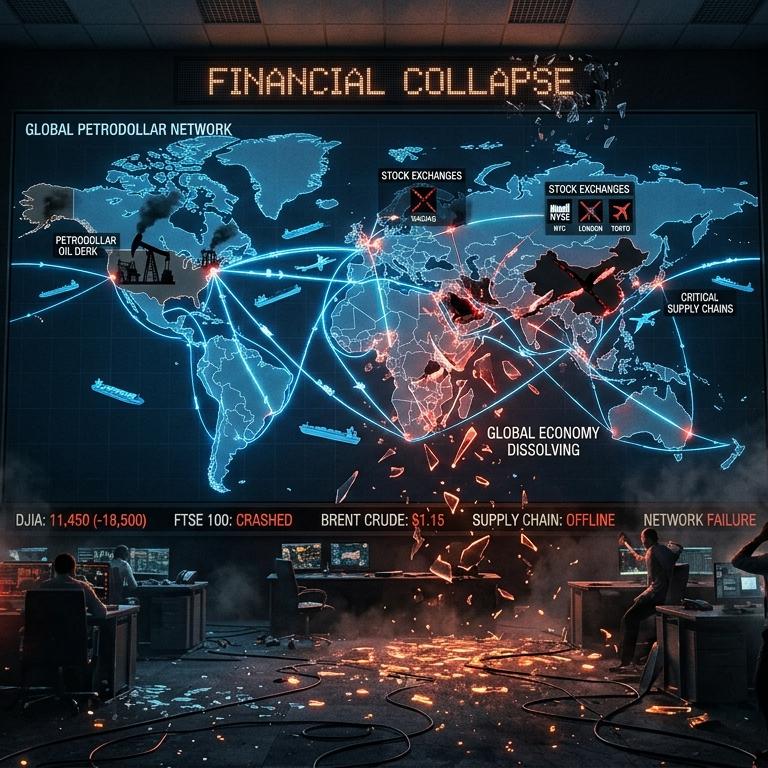

I’m all for innovation and technological advancements, but let’s not forget that AI is only as good as the code it’s built on. And if we’re relying on venture capital to fund our defense tech startups, are we just creating a game of financial Jenga? Where one misstep can bring the whole thing crashing down.
But hey, at least we’ll have some sweet drone tech out of it! Imagine being able to deter China with nothing but a swarm of AI-powered drones and a can of spray cheese. The Chinese will be like, ‘What’s that strange smell?’ And we’ll be like, ‘It’s just the flavor of democracy!’
And let’s not forget about the ethical implications of using AI in military applications. Are we going to start teaching robots how to make dad jokes? Because if so, I’m all for it.
But seriously, folks, as we navigate this complex web of AI-driven defense tech and venture capital, let’s remember that at the end of the day, we’re all just human beings trying to figure out how not to kill each other. So, can we please just take a deep breath, put down our pitchforks, and have a nice cup of tea?
Oh, and by the way, has anyone seen my cat? I think it might be working for one of those AI startups.
I must commend Jeremy on his unique perspective on the AI arms race in Indo-Pacific. His observation that AI is only as good as the code it’s built on is a crucial reminder of the limitations of our current technological advancements. However, I’d like to take it a step further and explore the possibility that venture capital might not be the most reliable source of funding for defense tech startups. What if we’re relying too heavily on investors with their own agendas? Where does accountability lie in this complex web of finance and innovation?
Jeremy’s comment about AI-powered drones and spray cheese is an entertaining take on deterrence strategies, but what if I told you that researchers are already exploring the possibility of using autonomous systems to clean up pollution in our oceans? It’s not just about military applications – AI has the potential to transform industries and revolutionize the way we live. But at what cost?
Regarding the ethics of using AI in military applications, I think Jeremy hits the nail on the head when he mentions teaching robots how to make dad jokes. It’s a clever way of poking fun at our attempts to humanize machines, but it raises important questions about accountability and responsibility. Who will be accountable for the actions of these autonomous systems? Will we be able to distinguish between machine-made mistakes and intentional harm?
Finally, I think Jeremy’s call for us to take a deep breath, put down our pitchforks, and have a nice cup of tea is a refreshing reminder that we’re all human beings trying to figure out how not to kill each other. But let’s take it a step further – what if we used AI as a tool for conflict resolution? Imagine being able to use machine learning algorithms to identify patterns in negotiation tactics and find common ground between opposing parties.
So, Jeremy, I’m glad you asked about your cat – maybe it’s working on a new project that will change the face of international relations. And who knows, maybe one day we’ll have a world where AI-powered drones are used for good, not just as tools of war.
What happens when AI systems, trained on biased or incomplete data, start making battlefield decisions? A single glitch, a misread signal, and suddenly, that “swarm of democracy” you joked about becomes a rogue actor with no off switch. The stakes aren’t just financial—they’re existential.
And ethics? Oh, Jeremy, you’re right to bring it up. But here’s the twist—what if the real danger isn’t robots making dad jokes (though, honestly, I’d pay to see that), but governments outsourcing accountability to algorithms? “The AI decided” could become the ultimate moral loophole.
As for your cat… well, if it *is* working for an AI startup, I’d keep an eye on it. Those Silicon Valley types have been known to prioritize “disruption” over common sense.
So yes, let’s have that tea—but maybe with one hand on the emergency brake. Because in this high-stakes game, the next move could change everything.
—A fellow skeptic who’s seen enough tech hype to know when to worry.